
Protein gets a lot of attention in the fitness world, and for women over 35 there is a very good reason for that. As we get older, maintaining muscle mass becomes more important for strength, recovery, metabolism, and long-term health. It also becomes harder. One reason is that protein synthesis becomes less efficient with age, so the body does not use protein as effectively as it did when we were younger. On top of that, the drop in oestrogen during perimenopause and menopause has a direct impact on muscle mass, making it even more important to get enough protein in.
This is also where sarcopenia comes in. Sarcopenia is the age-related loss of muscle mass, and although it starts gradually, it can accelerate as we move through our forties and fifties, especially if we are not resistance training and not eating enough protein. That is why this is not just a “gym” topic. It is about staying strong, capable, and healthy as you age.
1. My recommendations for active women over 35
For active women over 35, my general recommendation is to aim for 30% of caloric intake from protein, 30% from fats, and 40% from carbohydrates. That is not meant to be a rigid formula, but it is a very useful starting point. Protein deserves to be relatively high because of the reduced efficiency in protein synthesis as we age. Fats also need to stay in a good range because they are so important for hormones and brain health, especially during perimenopause and menopause. Carbs still matter too, but I would generally prioritise protein and fats slightly more than I would for a younger woman.

2. The No-Scale System
The challenge, of course, is that percentages sound great on paper but are annoying to apply in everyday life. That is why I like using a simple no-scale system. Instead of weighing every ingredient, you can use your hand as a rough guide: one to two palm-sized portions of protein per meal, one to two thumb-sized portions of fats, one to two cupped handfuls of carbs, and one to two fists of vegetables. It is simple, realistic, and much easier to stick to than trying to calculate everything perfectly.
When it comes to protein itself, the biggest issue I see is not women eating too much of it. It is the opposite. A lot of women skip breakfast, then have a light lunch with very little protein, and by the end of the day they may only have had a small amount overall. For women who train, and especially women over 35, that is usually nowhere near enough.
3. What about Whey Protein ?
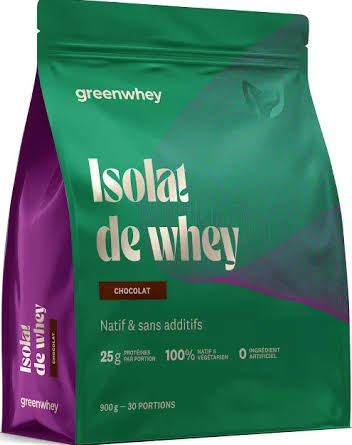
For women who are busy, vegetarian, or often eating on the go, whey protein can also be really useful. The type I recommend is native whey isolate. It is generally easier to digest, has a high protein content, and if you choose a good-quality version with minimal additives, it is a very practical way to increase your intake without adding lots of extra fuss to the day. It is not essential, but it can make a big difference if you struggle to get enough protein through food alone.
4. Watch out for False Marketing Claims
It also helps to look at actual numbers rather than marketing claims. Chicken breast, for example, contains around 30 grams of protein per 100 grams, which makes it a genuinely high-protein food. Tofu is often around 15 to 20 grams per 100 grams, fish around 18 to 20 grams per 100 grams, and eggs are a solid option too, with roughly 6 to 7 grams per egg. Compare that to products marketed as “high protein” and the difference can be surprisingly big. Naked bars, for example, may only give around 7.8 grams of protein per 100 grams, while also bringing quite a lot of fats and carbs with them. They can be fine as a snack from time to time, but they are not a serious main protein source. This is why it is worth reading the label rather than just trusting the front of the packet.
The same applies to yogurts and convenience foods. Some products are sold as high protein when, in reality, the amount is fairly modest. Meanwhile, simpler foods that do not advertise themselves that way can often do a much better job. So the aim should be to think more in terms of whole foods that are naturally rich in protein, rather than relying too heavily on processed foods with a trendy label.
5. Keep Nutrition Simple
The bigger point is that nutrition does not need to become a maths exercise. You do not need to weigh every gram or obsess over perfect numbers. What matters most is shifting the way you build your meals so that protein is no longer an afterthought. For women over 35, that one change can have a real impact on body composition, strength, energy, and long-term health.
Takeaways
Balance your macros according to your needs.
For active women over 35, a good starting point is 30% protein, 30% fats, and 40% carbohydrates. Protein matters more with age.
Reduced protein synthesis, the drop in oestrogen, and the risk of sarcopenia all make protein more important after 35.
Use simple ways to apply it. The hand-portion system is often far easier to stick to than weighing and tracking everything.
A good native whey isolate can be a very practical option when life is busy or food alone is not enough.
Check real protein values, not just marketing. Chicken breast at 30g per 100g is very different from a snack bar with 7.8g per 100g claiming to be high protein.
